
A Beginner’s Guide to Understanding Business Profitability

Nial Hollan
Introduction
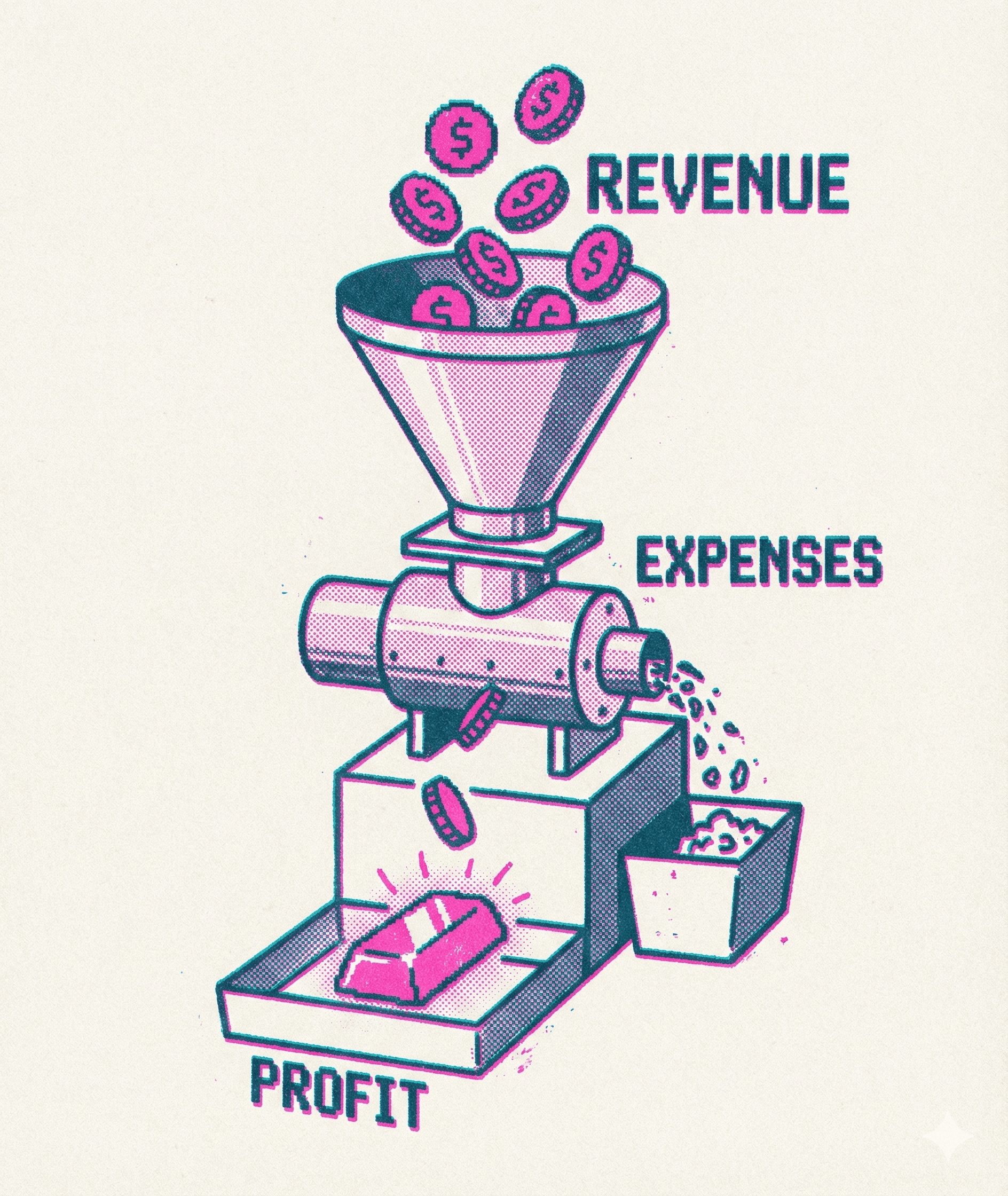
For many business owners, “profitability” feels like a simple concept — money in minus money out. But as your company grows, profitability becomes much more nuanced. Revenue rises, expenses shift, new tools are added, and financial decisions get more complex. Understanding profitability isn’t just about knowing whether your business makes money today — it’s about understanding how sustainably and efficiently it can grow tomorrow.
1. Profitability Starts With Knowing Your True Costs
Most businesses underestimate how much it actually costs to operate. Beyond the obvious expenses like salaries and software, there are often hidden or overlooked costs:
Payment processing fees
Seasonal marketing spend
Shipping or logistics charges
Operational overhead
Equipment or maintenance costs
Taxes and compliance fees
When these costs aren’t tracked clearly, profitability becomes a guessing game.
Fineeds helps categorize and visualize all expenses so you see exactly where money flows — not just where you think it does.
2. Revenue ≠ Profit (And Why That Matters)
A business can generate impressive revenue but still struggle financially because revenue alone doesn’t tell the whole story. What matters is net profit — the money actually left after paying all expenses.
Understanding the difference between:
Gross Revenue
Gross Profit
Operating Profit
Net Profit
Real-time dashboards in Fineeds help you compare revenue with expenses instantly — so profitability is always visible, not hidden in spreadsheets.
3. Track Variable Costs to Maintain Healthy Margins
Margins are one of the most important indicators of business health. When variable costs (like materials, ad spending, or transaction fees) increase, margins shrink quickly — often without warning.
Keeping margins healthy requires:
Monitoring cost fluctuations
Tracking which products/services have the best returns
Reducing spending leaks
Analyzing customer acquisition cost (CAC)
Fineeds helps uncover margin trends with visualized analytics, making it easier to identify what’s working and what needs adjustment.
4. Understand the Role of Cash Flow in Profitability
Profitability on paper doesn’t always translate to stability in real life. A business can be profitable yet still experience financial stress if cash isn’t flowing consistently.
For example:
If customers pay late, you may be profitable but cash-poor
If expenses spike unexpectedly, profits disappear
If revenue is seasonal, cash flow becomes unpredictable
Healthy profitability requires healthy cash flow — and Fineeds helps you track both side-by-side.
5. Forecasting Profit Helps You Plan Smart Growth
Understanding profitability today is good. Predicting profitability tomorrow is even better.
When you forecast profitability, you can:
Plan hiring based on future revenue
Understand when you can invest in new tools
Estimate how scaling will impact margins
Predict slow periods and prepare financially
Fineeds’ forecasting tools help align your goals with real financial data, making growth more predictable and less risky.
6. Improve Profitability With Small Operational Tweaks
You don’t always need big changes to increase profitability. Small, smart adjustments can make a surprising impact:
Automate manual processes to reduce labor cost
Replace underperforming tools
Reduce unnecessary subscriptions
Improve customer retention to increase lifetime value (LTV)
Adjust pricing based on performance data
Fineeds highlights inefficiencies that are easy to overlook — making these optimizations simpler.